

A vibrant urban street view in downtown Chicago featuring the iconic red and white Chicago Theatre marquee with its historic architecture, surrounded by modern high-rise buildings, yellow CTA signage, and bustling city street activity with parked vehicles. · MFL 2 West
If you’re trying to figure out where to stay in Chicago, start with Lincoln Park, Old Town, and River North. These neighborhoods are walkable and residential, and they’re far calmer than the Loop or the Mag Mile at night. For families and groups, a multi-bedroom loft in that corridor beats a downtown hotel room split three ways.
Key Takeaways
-
Lincoln Park, Old Town, and River North form the sweet spot for first-time visitors and families: residential streets with CTA Red and Brown Line stops within a few minutes’ walk.
-
Chicago welcomed 55.34 million total visitors in 2026, including 53.3 million domestic travelers, according to the City of Chicago’s 2026 State of the Economy report.
-
AirDNA reports Chicago short-term rentals averaged 61% occupancy and a $241 average daily rate from June 2026 through June 2026, with weekend demand consistently outpacing weekdays.
-
Wrigleyville room rates spike on Cubs home-game weekends, and the area sits more than 30 minutes from downtown by car; families and groups do better basing themselves in Lincoln Park and riding the Red Line to Addison instead.
-
Multi-bedroom rentals in the Lincoln Park, Old Town, and River North corridor typically cost less per person than splitting two or three downtown hotel rooms, especially for groups of six or more.
-
Chicago’s shared-housing rules require listings to register with the city and post a registration number before accepting bookings, so ask any host directly about compliance before you book.
Every year, thousands of families, bachelorette crews, and multi-generational groups land at O’Hare or Midway and type the same question into Google: where do I actually stay? Downtown looks great in photos, but the Loop empties out after 6pm, and the Mag Mile charges resort prices for a standard room. As co-owner of Magic Factory Lofts, I’ve hosted family reunions, girls’ trips, and corporate offsites in Lincoln Park, and I can tell you which neighborhoods deliver what they promise.
This guide breaks down the neighborhoods that matter for visitors in 2026, ranked by who they actually fit: first-timers, families, couples, foodies, and groups who need real bedrooms instead of a king bed and a pull-out couch. I’ll also flag where I’d steer you away from. A chunk of Chicago’s hotel inventory sits in areas that look convenient on a map but are exhausting to live in for four days.
Table of Contents
-
Is It Better to Stay in Downtown Chicago or the Magnificent Mile?
-
What Makes Lincoln Park and Old Town Different for Families?
-
What Neighborhoods Offer the Best Value for Budget Travelers?
-
Where Should You Stay for a Large Group or Multi-Generational Trip?
Which Part of Chicago Is Best to Stay In?
The best part of Chicago to stay in depends on your group, but for most visitors, the corridor spanning Lincoln Park, Old Town, and River North wins on balance. It feels like a real neighborhood, sits close enough to walk or take a short CTA ride to the Loop and the Mag Mile, and stays quieter at night than downtown proper.
First-timers who want architecture and museums lean toward The Loop. Foodies gravitate to West Loop’s Restaurant Row. Nightlife-first travelers pick River North or Wicker Park. But if you’re traveling with kids, parents, or a group that wants to cook a meal together instead of eating out three times a day, Lincoln Park and Old Town solve problems the Loop and Streeterville don’t: grocery access and quieter streets after 10pm, with apartment-style rentals that have real kitchens instead of a mini-fridge and a Keurig.
As of 2026, Chicago’s tourism base keeps growing. According to Choose Chicago’s 2026 destination profile, the city drew 38.8 million domestic leisure visitors, up 5% year over year, alongside 14.5 million domestic business travelers. That demand pushes hotel rates up in the Loop and Streeterville during peak convention weeks, which is exactly when a residential-adjacent neighborhood rental holds its value.

A scenic kayak adventure on a calm river with lush green tree-lined banks and a city skyline featuring iconic tall buildings in the distance under a clear blue sky. · MFL 2 West
Where to Stay in Chicago for First-Timers?
First-time visitors to Chicago do best in River North or Lincoln Park, both of which put major attractions within a short CTA ride while avoiding the highest hotel price bracket downtown. River North sits directly across the river from The Loop, close to Navy Pier and the Magnificent Mile.
The Loop itself works for architecture lovers and conference-goers. Cloud Gate (the Bean), the Chicago Architecture Foundation’s river cruise dock, and the Theater District all sit within walking distance, and CTA’s Red, Blue, Brown, Green, Orange, Pink, and Purple lines converge there. But hotel rooms in The Loop skew toward business travelers, and the neighborhood goes quiet once offices close.
Lincoln Park splits the difference. You get lakefront access and Lincoln Park Zoo, plus a roughly 15-minute CTA ride into the Loop. For a first Chicago trip with a mix of sightseeing and downtime, that combination beats staying directly in the tourist core, where every dinner and every ATM withdrawal carries a markup.
Where to Stay in Chicago Downtown vs. a Residential Neighborhood
Searches for “where to stay downtown Chicago” and “chicago where to stay downtown” run high volume, and downtown does make sense for a 2-night business trip or a couple attending a single event. For anything longer than three nights, or any trip involving kids, a residential-feeling base like Lincoln Park or Old Town gives you a grocery store, a slower pace after dark, and rental options with full kitchens that downtown hotels don’t offer.
Is It Better to Stay in Downtown Chicago or the Magnificent Mile?
Downtown Chicago (The Loop) suits conventions and architecture-focused itineraries, while the Magnificent Mile suits shoppers and travelers who want luxury hotel amenities within steps of Michigan Avenue retail. Both carry premium nightly rates and limited grocery or cooking options, which makes either one a tough fit for families or groups.
Downtown three-star hotels typically run $220 to $280 per night, with four-star properties landing between $300 and $400. Off-downtown neighborhoods can run 30% to 50% cheaper for comparable quality. That gap matters more once you’re booking multiple rooms for a family of six or a bachelorette party of ten.
The Magnificent Mile and Streeterville deliver views and shopping, but the streets stay busy with tour buses and delivery trucks around the clock. Gold Coast, just north, offers a quieter luxury alternative, home to well-known properties like The Drake Hotel and the Waldorf Astoria, with brownstone-lined streets and lakefront access. Both hotels sit near the corner of Michigan Avenue and East Walton Place and draw travelers who want a doorman and a bar, not a full neighborhood experience. It’s a strong pick for couples who want upscale dining without downtown’s congestion, but it doesn’t solve the space problem for larger groups.
What Makes Lincoln Park and Old Town Different for Families?
Lincoln Park and Old Town work for families because they combine lakefront green space with rental inventory built around multiple bedrooms instead of a single hotel king. Lincoln Park Zoo sits free and open within walking distance of much of the neighborhood, and the Chicago History Museum gives rainy-day cover without a long commute.
This is the corridor where Magic Factory Lofts operates, at the crossroads of Lincoln Park, Old Town, and River North. Carole and Basil live on-site, so the local recommendations you get come from people who walk these blocks daily.
MFL 3 East sleeps up to 16 guests across 4 bedrooms and 4 full bathrooms, each with a walk-in glass shower, and the dining table seats the same number of guests the loft sleeps. For a multi-generational reunion where grandparents, parents, and kids all want their own space but still want to eat dinner together, that layout solves a problem hotel rooms can’t.
MFL 2 East offers 4 bedrooms and 3 bathrooms for up to 15 guests, with a single-level layout and elevator access: no stairs to navigate with strollers or suitcases. It sits minutes from a large Whole Foods with riverfront seating, plus family favorites like Cafe Ba-Ba-Reeba and Summer House Santa Monica.
For smaller families or a party of two families traveling together, MFL 2 West sleeps up to 10 across 3 bedrooms and 2 full bathrooms, with real beds in every room instead of air mattresses. It’s two blocks from the Red Line and just around the corner from the 8th Halsted bus, close enough to walk to iFLY Indoor Skydiving one block south, a fun rainy-afternoon activity for kids and teens who’ve had enough of museums.
What Do Guests Actually Say About Staying in This Corridor?
Guest feedback consistently points to the same things: the space works well for large groups, the neighborhood feels walkable to Lincoln Park and Old Town dining, and responsive hosts make the difference between a stressful trip and an easy one. You can browse more guest testimonials before booking if you want a fuller picture.
Which Chicago Neighborhoods Have the Best Nightlife?
River North and Wicker Park carry Chicago’s strongest nightlife scenes. River North offers a denser concentration of bars and late-night dining close to downtown, and Wicker Park delivers a younger, more local crowd around Milwaukee Avenue. Neither neighborhood is the right call for families with young kids, but both work well for bachelorette parties, bachelor groups, and birthday weekends.
For a group staying in the Lincoln Park corridor who still wants nightlife access, Weeds Tavern, open since 1963, is a neighborhood dive with a blue-collar feel and a dog-friendly patio, open Tuesday through Sunday afternoons into the early morning. It’s the kind of place that never shows up on a “best rooftop bars” list but is exactly what locals mean when they say a bar has character.
Off Color Brewing’s taproom, nicknamed “The Mousetrap,” gives craft beer drinkers a local option instead of a tourist-facing brewpub. For live music, The Hideout keeps an intimate, no-frills setup that regulars return to because it hasn’t been polished for Instagram.
One honest caveat: Wrigleyville’s bar scene is loud and can get rowdy on weekend nights, and hotel and rental rates there spike hard when the Cubs are home. If nightlife is the priority but you don’t want the Wrigleyville chaos, base yourself in Lincoln Park or River North and take the Red Line to Addison only when there’s a game.
What Neighborhoods Offer the Best Value for Budget Travelers?
Budget-conscious travelers get the most value in neighborhoods just outside the downtown core, where rents and nightly rates drop noticeably without losing transit access. Logan Square, Wicker Park, and the Lincoln Park periphery all offer real savings over Streeterville or the Mag Mile.
Chicago’s average one-bedroom rent runs around $2,057 per month citywide, while Logan Square’s average one-bedroom comes in lower, around $1,797, at roughly 636 square feet. Neighborhoods like Edgewater and Logan Square post median monthly rents in the $1,300 range, well below River North’s roughly $3,300 monthly average.
For short-term stays rather than monthly rent, the math changes but the pattern holds: neighborhoods a CTA ride away from downtown cost less per night than hotels directly on the Mag Mile. Splitting a multi-bedroom loft rental among six or eight travelers, rather than booking two or three separate downtown hotel rooms, is usually the single biggest budget lever a group has. A 4-bedroom loft that sleeps up to 15 guests, like MFL 2 East, can work out to a fraction of the per-person cost of comparable downtown hotel rooms once you divide the total across the group.
Which Areas Have the Best Public Transportation Access?
Transit access varies significantly by neighborhood, and it should factor into your decision as much as price. CTA travel times to The Loop run roughly 5 minutes from River North, 7 minutes from Gold Coast, 8 minutes from West Loop and Fulton Market, 12 minutes from Wicker Park, and 15 minutes from Lincoln Park.
The Lincoln Park, Old Town, and River North corridor where Magic Factory Lofts operates benefits from both the Red and Brown Lines. MFL 2 West sits just 2 blocks from the Red Line and roughly 3 minutes from the North/Clybourn station, with the 8th Halsted bus stopping right around the corner. That access means you can reach downtown, museums, and Navy Pier without ever needing a rideshare.
Andersonville, by contrast, runs about 30 minutes from The Loop by transit, a real consideration if your itinerary is downtown-heavy. Check the official CTA L train system map before booking, since a listing described as “near transit” can still mean a 10 to 15 minute walk in winter weather.
Accessibility Notes for Families and Groups with Mobility Needs
Elevator access matters more than most guides admit. Both MFL 2 East and MFL 2 West offer single-level layouts with elevator access, no stairs to navigate with strollers, car seats, or a grandparent who doesn’t want to climb three flights. Confirm this detail directly with any host before booking, since plenty of Chicago walk-up apartments look great in photos but require hauling luggage up several floors.
Where Should You Stay for a Large Group or Multi-Generational Trip?
Large groups and multi-generational families do best in a single multi-bedroom rental rather than multiple hotel rooms, because it keeps everyone together for meals and reduces the coordination headache of syncing schedules across separate rooms. This is one of the biggest gaps in most Chicago lodging guides: they cover hotels neighborhood by neighborhood but rarely address what happens when your group is 10, 12, or 16 people.
MFL 3 East is built specifically for this. It sleeps up to 16 guests across 4 bedrooms (or comfortably up to 12 if everyone wants their own bed), with four full bathrooms and a dining table that seats the full group. For a family reunion where you want everyone sitting around one table for brunch, rather than scattered across a hotel restaurant, that layout does something a hotel room block cannot replicate.
Each of the three lofts runs a fully stocked chef’s kitchen, so a family that wants to cook one big dinner together, or coordinate with a local caterer, has the equipment to do it. That matters for multi-generational trips where not everyone wants to eat out three times a day, and for budget-conscious families who can cut food costs by cooking half their meals.
One practical note directly from experience: because these are owner-operated buildings rather than hotels, communication runs through a private WhatsApp group set up before arrival. It’s a small adjustment for guests used to a hotel front desk, but it means real-time answers instead of being on hold with a call center: exactly what a group of 8 traveling together found made their stay easier to manage.
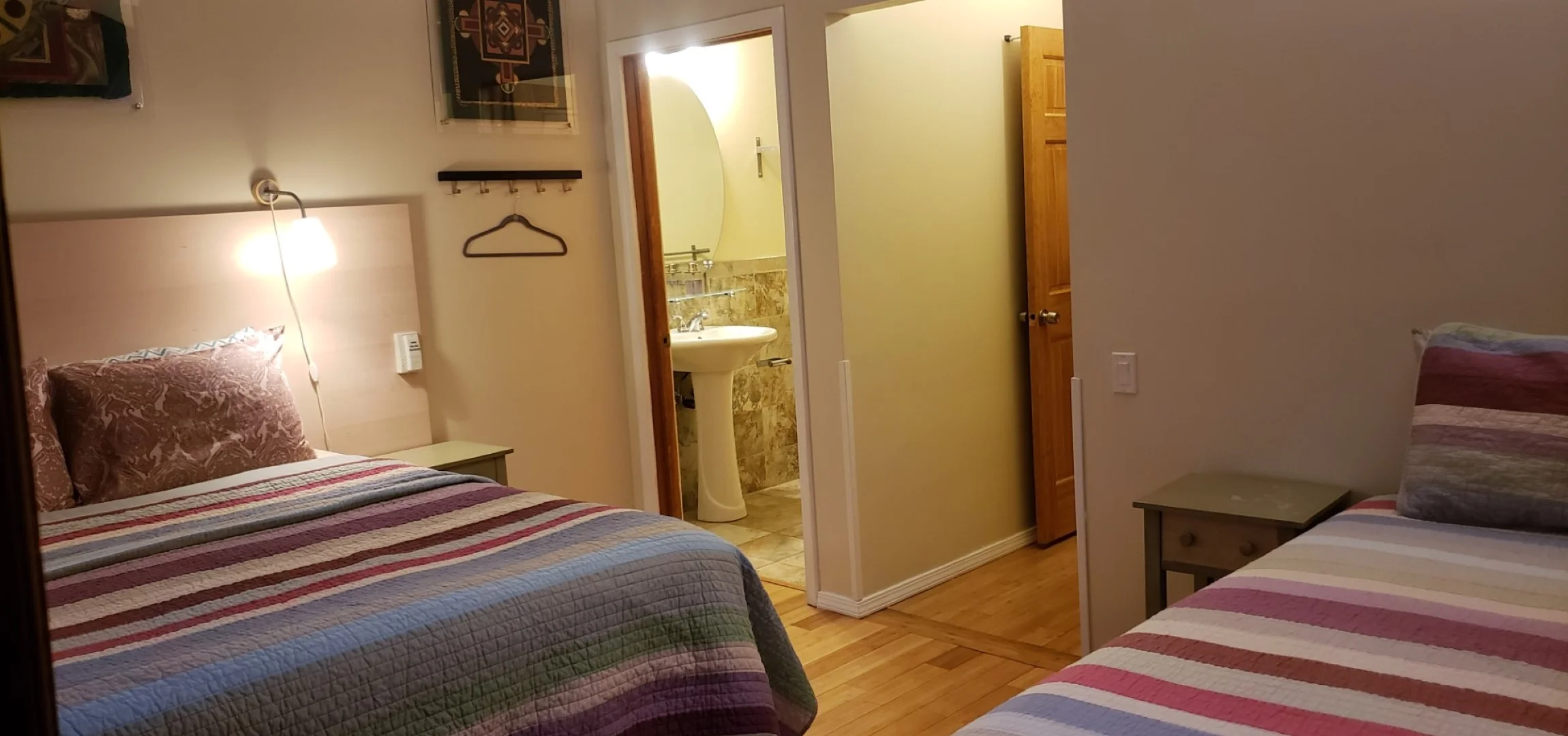
En suite master bedroom · MFL 2 West
Where to Avoid Staying in Chicago?
A few Chicago areas create real friction for typical visitors, even though they show up in search results as convenient. Wrigleyville tops that list for anyone not specifically there for a Cubs game: room prices spike on home-game weekends, the area sits more than 30 minutes from downtown, and the bar-heavy strip along Clark Street gets loud and crowded late into the night.
Isolated stretches of the Loop can also disappoint visitors expecting a lively evening scene. Office towers empty out by 6pm, and outside of Theater District performance nights, the streets go quiet fast: a letdown for anyone picturing downtown Chicago as a 24-hour city.
For families specifically, staying directly on the Magnificent Mile means paying premium rates for a location built around shopping and tour groups. What actually makes a multi-day family trip easier is proximity to a grocery store or a quiet park, and the Mag Mile has neither nearby. This is one of the more overlooked details in most “where to stay” guides: proximity to attractions matters less than proximity to a grocery store when you’re traveling with kids for five days.
How Do Costs Compare Across Chicago Neighborhoods?
Costs across Chicago’s neighborhoods vary by roughly 40% to 50% between the most expensive downtown-adjacent areas and outlying residential neighborhoods, based on rent and lodging data gathered for this guide. Read the table below carefully: it mixes two different units on purpose, monthly rent figures for longer stays alongside nightly hotel rates for shorter ones. To compare rows directly, divide any monthly figure by roughly 30 to get a rough nightly equivalent.
|
Neighborhood |
Typical Nightly/Monthly Cost Signal |
CTA Time to The Loop |
Best For |
|---|---|---|---|
|
River North |
~$3,300/mo average rent; premium hotel rates |
~5 minutes |
First-timers, nightlife |
|
The Loop |
Downtown 3-star hotels ~$220-$280/night |
0 (in The Loop) |
Business, conventions, architecture |
|
West Loop |
~$2,200-$3,000/mo one-bedroom |
~8 minutes |
Foodies, Restaurant Row |
|
Lincoln Park / Old Town |
Multi-bedroom loft rentals typically undercut downtown per person |
~15 minutes |
Families, multi-generational groups |
|
Logan Square |
~$1,797/mo one-bedroom average |
~18 minutes |
Budget travelers |
|
Wicker Park |
~$1,800-$2,300/mo one-bedroom |
~12 minutes |
Nightlife, budget-conscious groups |
Beyond nightly rates, factor in Chicago’s lodging tax structure. The city’s hotel accommodations tax runs 4.5%, with an additional shared-housing surcharge reported at 6%, producing a combined city lodging tax around 10.5% on vacation rental stays, plus a 1% Cook County hotel tax on applicable transactions. Confirm the exact current rate with your host or the city’s official tax resources before finalizing a budget, since these figures are subject to periodic change.
How Do You Choose the Right Neighborhood for Your Trip?
Choosing the right Chicago neighborhood comes down to answering three questions honestly: how many people are in your group, what’s your daily itinerary built around, and how much do you want to spend per night versus per person. A solo business traveler attending a two-day conference has different needs than a family of eight staying five nights.
-
Count your group size first. Groups of six or more almost always save money and gain comfort in a multi-bedroom rental over splitting multiple hotel rooms.
-
Map your daily plans against transit times. If half your itinerary is museums and architecture, weight toward The Loop or River North. If it’s lakefront, zoo visits, and family downtime, Lincoln Park wins. If your time is split between museums & sporting events like Wrigley Field or the Chicago Bulls or Chicago Bears, you’ll find that Lincoln Park and Old Town are great middle of it all locations.
-
Check for a real kitchen if you’re staying more than 3 nights. Eating every meal out adds up fast for a family of five; a chef’s kitchen with pots, pans, and basic spices already stocked cuts that cost meaningfully.
-
Ask about elevator access and stairs if you’re traveling with strollers, older relatives, or heavy luggage. Not every walk-up building will say so upfront.
-
Confirm parking early. Indoor spaces are limited and often run a nightly fee; street parking and public garages are usually the fallback.
-
Read the reviews for communication style. A responsive host who answers directly, rather than routing you through a corporate support line, matters more once something needs adjusting mid-stay.
Common mistake worth flagging: booking based purely on distance to one attraction, like Navy Pier or Wrigley Field, without checking what the neighborhood is like the other 20 hours of the day. A block that’s five minutes from a landmark can still be a bad fit if it’s dead quiet at 7am or overrun with tour buses at 3pm.
If you want a broader sense of how the neighborhood lives day to day, our family bike rental routes along the Chicago lakefront guide covers how families spend a free afternoon once they’ve settled in near Lincoln Park.
Frequently Asked Questions
Which part of Chicago is best to stay in?
For most visitors, the Lincoln Park, Old Town, and River North corridor is best: it’s walkable, close to transit, and quieter at night than downtown. First-timers focused purely on architecture and museums may prefer The Loop or River North instead. If you’re looking for hip and trendy, Wicker Park is a great choice.
Where to stay in Chicago for first-timers?
First-timers do well in River North or Lincoln Park, both offering short CTA rides to major attractions without downtown’s premium pricing. The Loop also works well for architecture-focused itineraries and conference travel.
Is it better to stay in downtown Chicago or the Magnificent Mile?
Downtown Chicago (The Loop) suits business travel and architecture tours, while the Magnificent Mile suits shoppers wanting luxury hotels near Michigan Avenue retail. Neither is the strongest choice for families or budget travelers, since both carry premium nightly rates.
Where to avoid staying in Chicago?
Avoid Wrigleyville unless you’re specifically there for a Cubs game, since room rates spike on home-game weekends and it sits more than 30 minutes from downtown. Also be cautious about booking directly on the Magnificent Mile if you need grocery access or a quiet residential feel for a multi-day family stay.
Are there vacation rentals available near the Chicago Theatre?
The Chicago Theatre sits in The Loop, and while rentals exist there, most are geared toward short business stays rather than families. A Lincoln Park or Old Town loft rental, roughly 15 minutes by CTA from The Loop, typically offers more space and better value for a multi-night stay while still keeping the Theatre District easily reachable.
Where can I rent a house or large group rental in Chicago?
The Lincoln Park, Old Town, and River North area has multi-bedroom loft rentals built specifically for groups. MFL 3 East sleeps up to 16 guests across 4 bedrooms, and MFL 2 East sleeps up to 15 across 4 bedrooms, both with full kitchens and dining tables sized to match the guest count.
Where can I find a kid-friendly vacation rental in Chicago?
Look for rentals in Lincoln Park or Old Town near the zoo and lakefront, with elevator access and a full kitchen for family cooking. All of the apartments at Magic Factory Lofts offer single-level, elevator-access layouts with real beds in every bedroom, which matters for families avoiding stairs with strollers or car seats.
Is downtown Chicago safe and walkable for a family trip?
Downtown Chicago is generally walkable and well-trafficked during the day, but it empties out in the evening outside of Theater District performance nights. Families often find the Lincoln Park and Old Town corridor, which stays active with residents and local restaurants after dark, a more comfortable option for evening walks.
Where to Stay in Chicago: The Final Word
If you take one thing from this guide, choose a neighborhood based on how you’ll actually spend your days, not just proximity to a single landmark. As of 2026, with the city drawing well over 55 million visitors a year, the highest-value bases combine transit access, grocery availability, and a quieter evening pace. Lincoln Park, Old Town, and Near North lead that list for families and groups alike: the answer to where to stay in Chicago starts there.
For a group that wants real bedrooms, a full kitchen, and a host who answers when you text, a multi-bedroom loft in this corridor solves problems that a block of downtown hotel rooms never will.
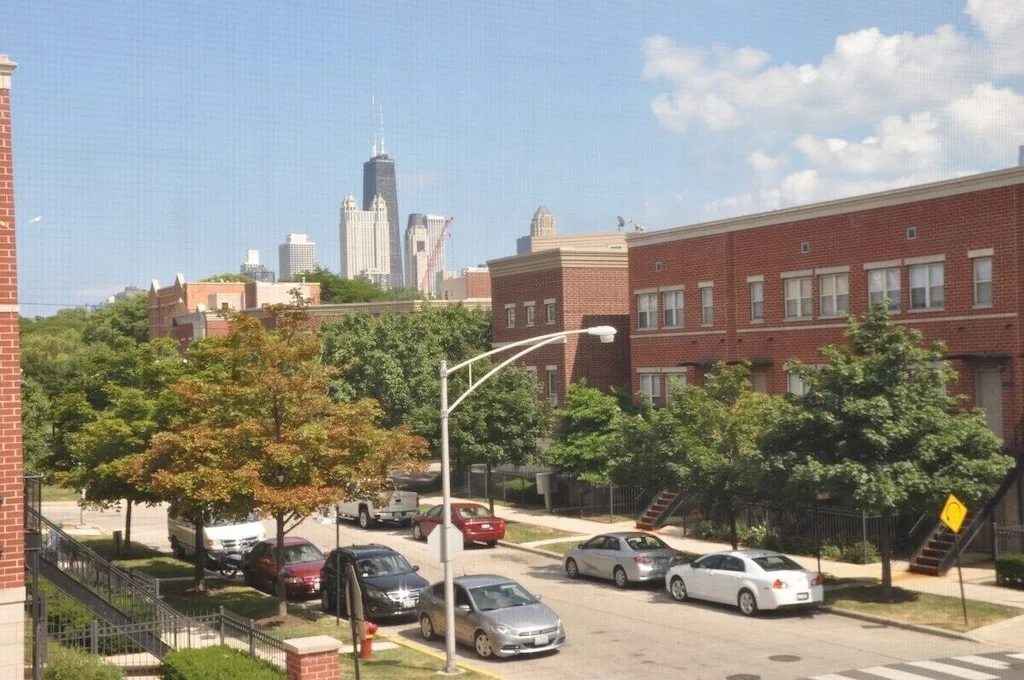
Neighborhood park down the block · MFL 2 East
If you’re weighing where to stay in Chicago for a family reunion or a big group trip, MFL 2 East puts you at the crossroads of Lincoln Park, Old Town, and River North, minutes from a Whole Foods and the CTA Red and Brown Lines. Check availability here.
Written by Carole, Co-owner, Travel Professional, Full-time vacation rental operator at Magic Factory Lofts


